Dream Factory Font for Web Design
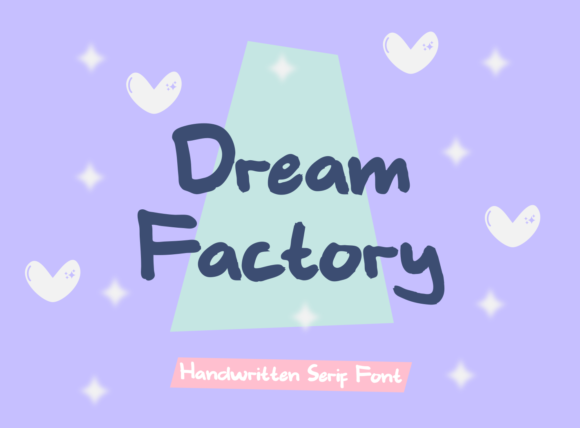
Dream Factory is a display font that brings a sense of charm and approachability to digital projects. Its clean, friendly curves and balanced proportions make it ideal for designs that need a touch of warmth without sacrificing readability. As a web designer, I’ve found this font to be especially useful in creating layouts that feel inviting and visually engaging.
Visual Characteristics and Digital Appeal
The Dream Factory font has a soft, rounded appearance with subtle variations in stroke weight that give it character. It’s not overly ornate, which makes it versatile for various design contexts. The personality of the font leans towards being playful yet professional, making it suitable for both creative and commercial applications.
Its digital appeal lies in its ability to maintain clarity even at smaller sizes, which is crucial for responsive web design. Whether used in headers or call-to-action buttons, Dream Factory maintains its legibility across different screen sizes and resolutions.
Using Dream Factory in Web Projects
When working on a creative portfolio, I often use display fonts like Dream Factory to highlight project titles and section headings. It adds a personal touch that helps differentiate the site from more generic, corporate designs. For a boutique online store, Dream Factory can be used in banners or promotional graphics to create an atmosphere that feels welcoming and child-friendly.
In coaching websites or course sales pages, the font’s friendly tone aligns well with content that aims to inspire or educate. When paired with a clean sans serif font for body text, it creates a visual hierarchy that guides the reader’s eye naturally through the page.
Readability and Visual Hierarchy
One of the most important aspects of any font in web design is readability. Dream Factory excels in this area, especially when used for short phrases or headlines. Its consistent stroke width and open counters ensure that each letter is easy to recognize, even on mobile screens.
For visual hierarchy, using Dream Factory as a heading font allows the rest of the content to breathe. Pairing it with a more neutral body font ensures that the design remains focused and doesn’t become overwhelming.
Brand Tone and User Engagement
The choice of font can significantly impact brand perception. Dream Factory contributes to a brand tone that is approachable and trustworthy. This is particularly valuable for businesses targeting younger audiences or those with a focus on creativity and playfulness.
When used in conversion-focused layouts, such as landing pages or product pages, the font helps to create a sense of urgency or excitement. It’s also effective in digital ads where quick scanning is essential for user engagement.
Font Pairing and Stylistic Balance
Pairing Dream Factory with a complementary font can enhance the overall design. A common approach is to pair a decorative display font like Dream Factory with a simple sans serif font for body copy. This contrast helps to establish a clear visual hierarchy while maintaining a cohesive look.
For editorial or blog sites, pairing Dream Factory with a serif font can add a more refined and professional feel. However, it’s important to ensure that the combination doesn’t compromise readability or create visual clutter.
Practical Considerations for Web Use
Before implementing Dream Factory on a website, it's essential to check the available styles, file formats, and webfont availability. Ensuring that the font works well across different platforms and browsers is crucial for a seamless user experience.
Also, considering multilingual support can be important if the website serves a global audience. While Dream Factory may not cover all languages, it’s worth verifying whether the required characters are included.
Commercial Licensing and Usage Rights
As a designer, understanding the licensing terms of any font is vital. Dream Factory should come with clear commercial usage rights, allowing it to be used in websites, client projects, online stores, landing pages, and other digital assets without legal complications.
Always review the license agreement to confirm whether it permits embedding in webfonts, redistribution, or use in templates. This ensures that your design work remains compliant and protected.
Responsive Design Tips
When using Dream Factory in responsive layouts, it’s important to test how it renders on different devices. On smaller screens, ensuring that the font size is appropriate for readability is key. Using media queries to adjust font sizes based on screen width can help maintain a consistent visual experience.
For dark backgrounds, adjusting the font color or adding a slight text shadow can improve visibility. Similarly, on light backgrounds, ensuring sufficient contrast between the text and background is essential for accessibility and usability.
Dream Factory is a versatile and charming display font that can elevate the visual appeal of a wide range of digital projects. From creative portfolios to e-commerce sites, its friendly and approachable style offers a unique way to express brand identity and engage users effectively.